Black Mold?
Don't Take Chances! Call the Top Black
Removal Company in Snohomish and get cleaned up FAST!



Why Choose Us?
- Certified Pros
- Available 24/7/365
- Rapid Response
- Fully Licensed And Insured
- We Work With Your Insurance Company
Call Now (360) 203-0590
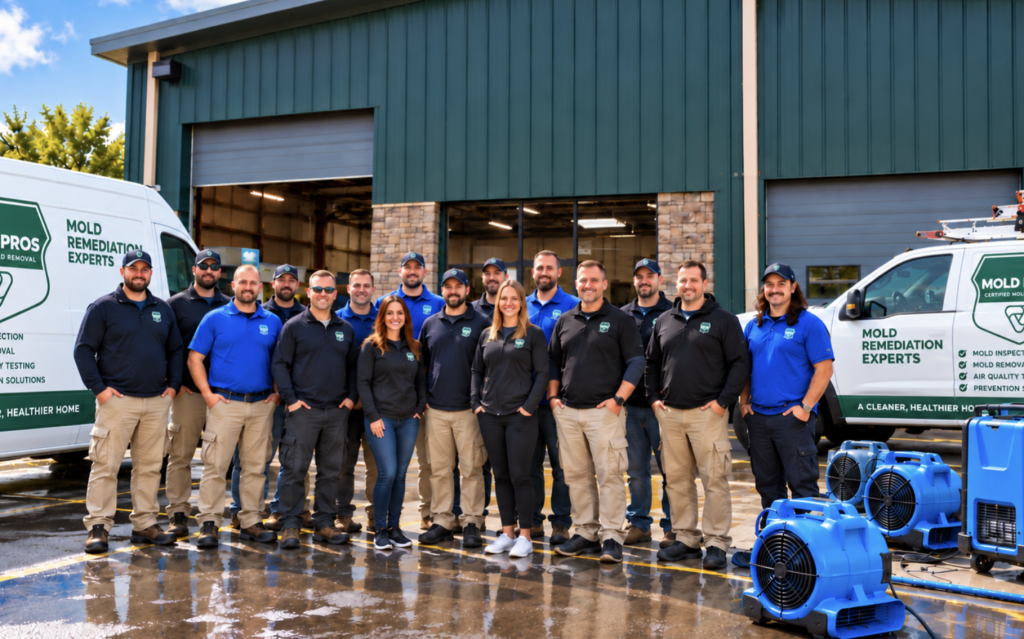
Professional Mold Removal in Snohomish, Washington
Mold cleanup starts with controlling the moisture source and protecting areas that are not affected. Our team at Snohomish Mold Remediation Pros evaluates the work area, identifies materials that need cleaning or removal, and limits the spread of mold dust. We use containment, personal protective equipment, and HEPA filtration during appropriate projects. The goal is to remove affected material safely while leaving sound surfaces and building components in place.
What Happens During Professional Mold Removal?
We begin by discussing what you noticed, such as a musty odor, staining, damp drywall, or mold after a leak. We then review the visible work area and nearby materials for signs of moisture or hidden impact. Source control comes first, so active leaks, drainage problems, ventilation issues, or other moisture conditions need attention. A mold project cannot stay resolved if wet materials continue to feed the problem.
Containment uses plastic walls or barriers to separate the work area from occupied parts of the building. We use protective equipment and place HEPA air scrubbers where they help filter mold dust from the air. These controls matter during removal because disturbing affected materials can spread particles into clean rooms. We also protect nearby surfaces, pathways, and belongings as the scope allows.
Porous materials often require removal because mold growth can reach beyond the visible surface. Drywall, insulation, carpet, some padding, and heavily affected wood products are examples. Hard, sound surfaces such as some concrete, tile, metal, and finished wood may be cleaned when their condition supports cleaning. The material, moisture exposure, access, and depth of growth guide that decision.
What’s Included
Our mold remediation work focuses on controlled cleanup and removal within the agreed work area. The exact scope follows the affected materials and the moisture conditions found during the visit. We explain the work before removal begins so you know which surfaces are being cleaned and which materials are being discarded. Common parts of a remediation project include the following:
- Work-area containment, protective equipment, and measures that limit cross-contamination.
- Careful removal of affected porous materials, such as damaged drywall, insulation, carpet, or padding.
- Cleaning of suitable hard surfaces and use of HEPA filtration during dusty removal work.
Attics, crawl spaces, wall cavities, and below-grade areas each present different access and drying concerns. Crawl spaces in Snohomish often need close attention because seasonal rain, drainage issues, exposed soil, and limited airflow can keep framing or subfloors damp. Attic work also requires attention to roof leaks and ventilation problems. We address the affected area based on its materials rather than treating every project the same way.
What’s Not Included
Mold remediation does not automatically include rebuilding the room after damaged materials are removed. Painting, drywall installation, flooring replacement, cabinet work, finish carpentry, and other reconstruction tasks require a separate scope unless specifically included in writing. We also do not treat paint as a permanent solution for active mold or moisture. Covering growth before the source and affected material are handled often leaves the underlying problem in place.
- Full reconstruction or cosmetic renovation after removal.
- Correction of every roof, plumbing, drainage, HVAC, or ventilation defect.
- Laboratory mold testing or species identification.
Some buildings need work from other trades after remediation, especially after a roof leak, plumbing failure, or flood event. Historic homes and older commercial buildings may also need material-sensitive repair after affected finishes are removed. We keep the remediation boundary clear so reconstruction decisions are not confused with cleanup. Independent contractors, building professionals, or property managers may handle repairs outside our scope.
Why Moisture Sources Matter in Snohomish Properties
Snohomish receives rain throughout the year, with wetter conditions generally occurring from October through March. Wind-driven rain, roof and flashing failures, clogged gutters, short downspouts, and poor grading can move water toward walls or foundations. Properties near the Snohomish and Pilchuck waterways also need property-specific flood information rather than assumptions based on a city name. Official flood resources from local agencies and FEMA maps help owners review that risk.
Older buildings in the Historic District and other parts of the city may contain wood framing, wall cavities, flooring, and finishes that conceal moisture. Mixed-use properties in the Pilchuck and Midtown districts can have shared walls, nearby units, or commercial spaces affected by the same leak. A slow plumbing leak inside a wall often requires a different removal plan than surface growth on a bathroom ceiling. We look at the building assembly and moisture path before choosing the work method.
Condensation also creates problems in bathrooms, kitchens, laundry areas, and exterior-wall cavities. Weak exhaust ventilation, HVAC condensate issues, and indoor humidity that stays above about 60 percent support recurring moisture. Rural-residential and low-lying properties may also have crawl-space drainage or drying concerns after heavy rain. Fixing the source and improving airflow helps protect the cleaned area after remediation.
How Different Materials Change the Work
Drywall is absorbent and often needs removal when growth extends behind the paper surface. Insulation can hold moisture in hidden cavities, making surface wiping unreliable. Carpet and pad may retain water, odors, and contamination after a leak or overflow. Subflooring and wood framing require closer evaluation because they may remain structurally sound but still need cleaning and drying.
Concrete and tile are less absorbent than drywall, but cracks, grout lines, joints, and porous finishes still require careful cleaning. Attic sheathing may be affected by a roof leak or a bathroom vent that ends in the attic. Crawl-space joists and subfloors may stay damp because of exposed soil, missing vapor barriers, or limited airflow. We use containment and filtration practices that fit the material and the disturbance created by the work.
People often use the term black mold for dark-colored growth, but color alone does not identify the species. Dark growth still requires attention to the moisture source and the affected material. We do not make a species diagnosis from appearance. If you are unsure whether a stain, odor, or recurring spot needs professional attention, our mold warning signs guide explains what to look for and what to do first.
How Job Size, Occupancy, and Insurance Affect Planning
Project size depends on the affected materials, work-area size, containment needs, access, and moisture source. A small surface cleanup differs from a crawl-space project, a wall-cavity removal, or a multi-room commercial loss. An inspection is needed before a final scope and price can be provided. Actual mold remediation costs vary because each of these conditions changes labor, equipment, and material handling.
Occupants do not always need to leave for every project, but the answer depends on the contained area and the work being performed. Children, older adults, and people with respiratory concerns should discuss exposure questions with a doctor. Commercial properties require added planning when offices, classrooms, medical areas, retail spaces, or shared corridors are near the work zone. We discuss access and separation before work begins rather than making a blanket promise.
Insurance handling depends on the policy, the cause of loss, and the documentation requested by the carrier. Keep photos, water-loss records, repair invoices, and messages about the original leak or event. Companies such as State Farm, Allstate, Farmers, Liberty Mutual, Travelers, USAA, Nationwide, and American Family each apply their own claim procedures. We do not promise coverage or approval, so review your policy and communicate with your adjuster.
Our Credentials and Work Boundaries
Snohomish Mold Remediation Pros is IICRC certified. We are in good standing with the BBB. Those credentials support our focus on controlled remediation practices, but they do not replace a project-specific evaluation. We explain what we find and keep the proposed work tied to the affected area.
Our work is intended for homes, apartments, condos, offices, schools, churches, medical facilities, retail properties, and industrial spaces. Residential jobs often center on bathrooms, kitchens, crawl spaces, attics, bedrooms, or areas near a plumbing leak. Commercial work may require scheduling around employees, residents, customers, shared ventilation, or neighboring suites. The same basic controls apply, but access and occupancy planning change the job.
If you need help deciding what should happen next, call (360) 203-0590. We will ask what you noticed, where moisture entered, and which materials appear affected. We can then discuss the work area, access concerns, and whether the situation calls for controlled removal or cleaning. If active water is still entering, shut off the source if it is safe before the call.
Frequently Asked Questions
Do you remove mold from drywall and insulation?
Yes, affected drywall and insulation often require controlled removal because they are porous. Mold growth and moisture can extend behind the visible surface. We use containment and HEPA filtration to limit dust during the work. The final scope depends on the material condition, access, and moisture source.
Do you perform mold testing?
We do not perform mold testing. Independent testing or assessment can help when the extent or type of a problem needs outside documentation. Visual conditions, moisture evidence, and material damage still guide many remediation decisions. A doctor or public-health source should address health questions about mold exposure.
Can mold return after remediation?
Mold can return if moisture remains or a new leak develops. Common causes include roof leaks, poor bathroom ventilation, crawl-space dampness, plumbing leaks, and condensation. Keep indoor humidity below about 60 percent when possible and use exhaust fans that vent outdoors. Repairing the moisture source is part of protecting the cleaned area.
What should a Snohomish property owner do after heavy rain?
Look for wet drywall, damp flooring, roof or flashing leaks, overflowing gutters, and standing water near the foundation. Photograph the affected areas and address active water only if doing so is safe. Do not paint over stains or seal damp materials before they dry. Check official flood mapping and FEMA resources when low-lying property may be at risk.